
Free sample · Page 1 of 1
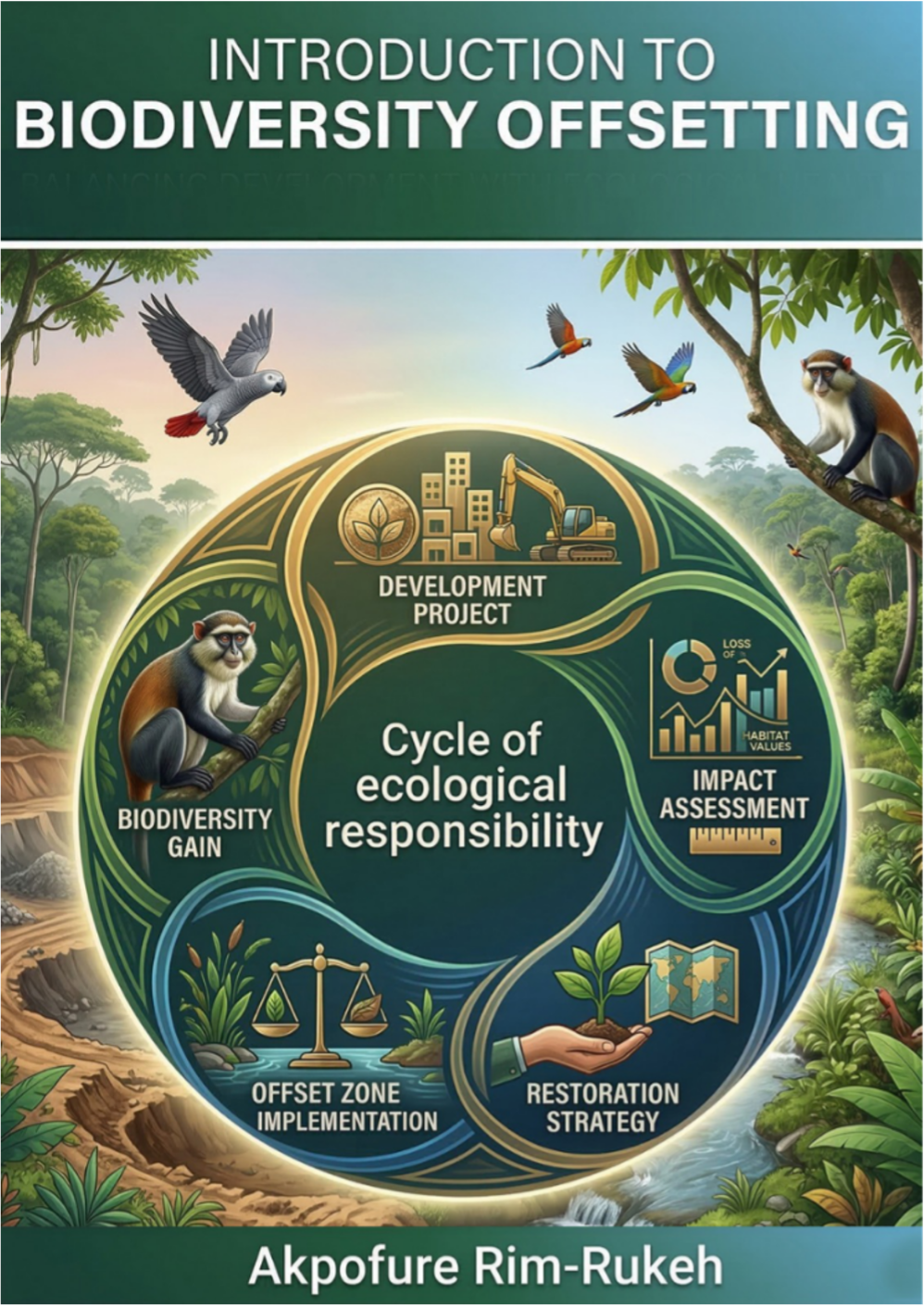
INTRODUCTION TO BIODIVERSITY OFFSETTINGby Akpofure RIM-RUKEH
Chapter 1: Biological Diversity (Biodiversity) Loss
This foundational chapter introduces the concept of biodiversity, detailing its various forms, ecological importance, and the current global crisis of biodiversity loss. It explores the primary causes of this decline and outlines the fundamental strategies required to protect and conserve biological resources.
Chapter 2: Fundamentals Of Biodiversity Offsetting
This chapter establishes the theoretical and practical underpinnings of biodiversity offsetting. It covers the rationale behind the practice, its advantages and disadvantages, and firmly grounds the mechanism within the globally recognized Mitigation Hierarchy. It also addresses the common challenges and criticisms the practice faces.
Chapter 3: How to Conduct Biodiversity Offsetting
This chapter provides a practical, step-by-step framework for executing a biodiversity offsetting study. It explains how the offsetting process works in practice, the role of the Biodiversity Offset Management Plan (BOMP), and introduces the concept of biodiversity currencies and units used to measure ecological gains and losses.
Chapter 4: Biodiversity Offsetting Market
This chapter dives into the economics of the biodiversity market, specifically focusing on the use of "Biodiversity Units" as the primary metric. It examines the advantages and challenges of using these units, how risk multipliers are applied to ensure equivalence, and provides practical case studies demonstrating how these calculations are performed.
Chapter 5: Biodiversity Offsetting Credits
This chapter explores the financial market for biodiversity, focusing on how credits are generated, traded, and invested in. It details the roles of buyers and sellers, the attributes of a high-quality credit, the associated investment risks, and the emerging business opportunities within this space.
Chapter 6: Consultation, Compensation and Social Equity
This chapter shifts the focus to the human and social dimensions of biodiversity offsetting. It emphasizes the critical importance of stakeholder consultation, explores the mechanisms and practices for fair compensation, and highlights the role of social equity in ensuring that conservation projects do not disproportionately harm local communities.
Chapter 7: Potential Opportunities in Biodiversity Offsetting In Nigeria
This chapter provides a localized analysis of the biodiversity offsetting landscape in Nigeria. It identifies specific economic and environmental opportunities available to Nigerian businesses and communities, outlines how to capitalize on them, and discusses strategies for implementing offsetting programs even where specific regulatory frameworks may still be developing.
Chapter 8: Policy, Regulation, and Global Frameworks for Biodiversity Offsetting
This chapter serves as a legal and policy reference guide. It provides a comprehensive overview of the Nigerian regulatory landscape governing biodiversity, alongside an analysis of major international frameworks and conventions that guide global offsetting practices and corporate sustainability standards.
Chapter 9: Real-World Examples of Biodiversity Offset Projects
This final chapter brings the entire theoretical and practical framework to life by examining global, real-world case studies. It categorizes different types of offsetting projects—restoration, averted loss, and species-specific—and provides detailed examples of successful implementation from regions such as the United States, Mongolia, Sierra Leone, and Ghana.
That's the end of the free sample
Keep reading INTRODUCTION TO BIODIVERSITY OFFSETTING
Get the full book as a printed copy.
Buy the full book · ₦10,000Not ready to buy?
Get our weekly briefing and hear when new books land.