
Free sample · Page 1 of 1
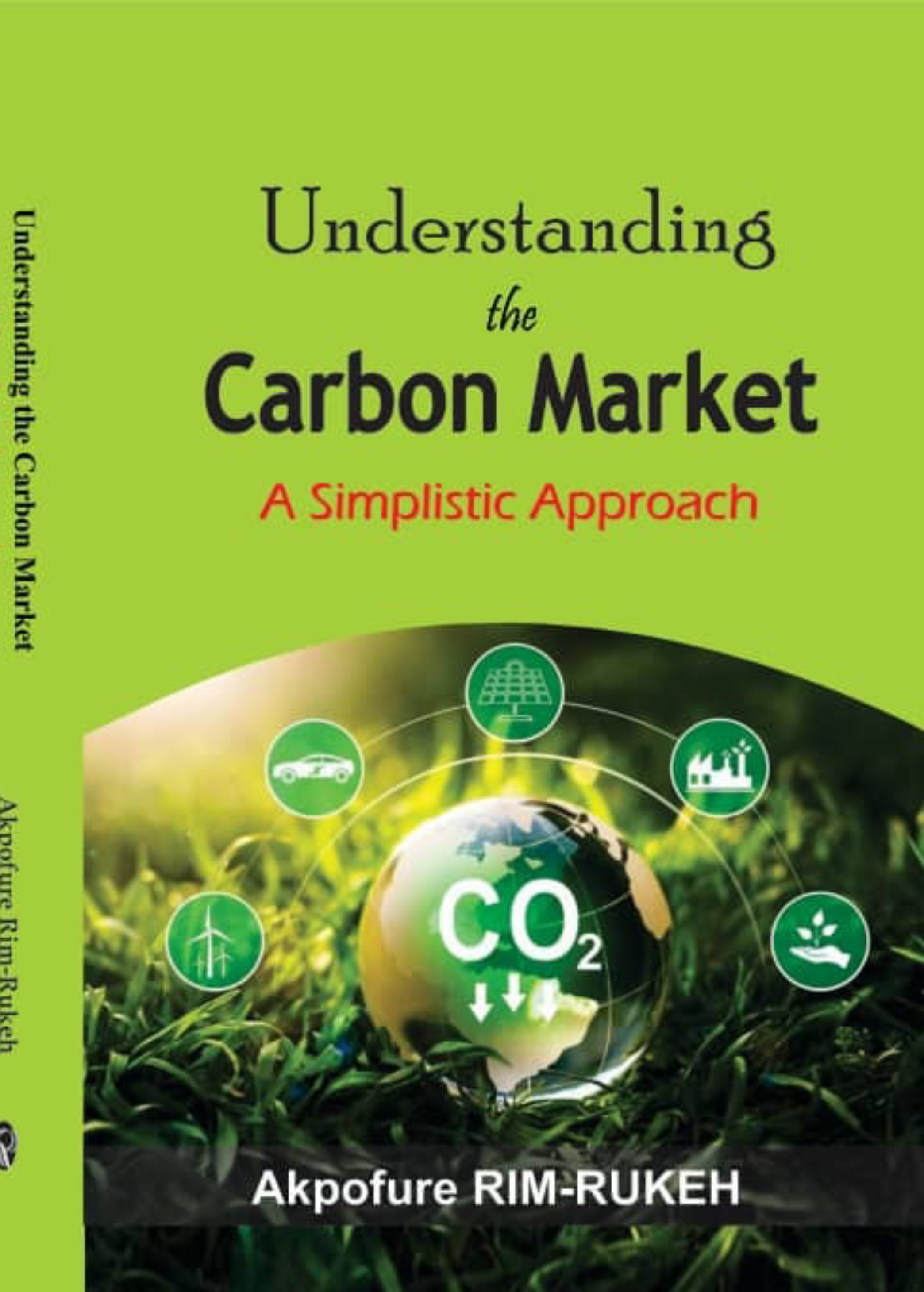
Understanding the Carbon Market a Simplicity Approachby Akpofure RIM-RUKEH
Chapter 1: The Dynamics of Climate Change
Provides an overview of the fundamentals of climate change, setting the stage for the economic and market-based solutions that follow.
Chapter 2: The Kyoto Protocol and Flexibility Mechanisms
Explains the rules, institutions, and procedures of the Kyoto mechanisms, focusing on the Clean Development Mechanism (CDM), International Emissions Trading (IET), and Joint Implementation (JI).
Chapter 3: Clean Development Mechanism Projects in Nigeria
Examines the application and potential of CDM projects specifically within the Nigerian context.
Chapter 4: The Paris Agreement and Nigeria's NDC
Reviews the outcomes of the UN Framework Convention on Climate Change (UNFCCC) Conference of the Parties and provides a glance at Nigeria's Nationally Determined Contributions (NDC) under the Paris Agreement.
Chapter 5: The IPCC and Climate Science
Details the Intergovernmental Panel on Climate Change (IPCC) Assessment Reports, Special Reports, and Methodology Reports.
Chapter 6: The European Union Emissions Trading Scheme (EU ETS)
Explains the mechanics of Joint Implementation and provides an in-depth look at how the European Union Emission Trading System works.
Chapter 7: Carbon Taxes
Provides an overview of the Carbon Tax, discussing how it works and its role in climate policy.
Chapter 8: The Green Bond Market
Offers a comprehensive overview of the Green Bond Market, explaining its significance and mechanics within the context of climate change and carbon markets.
Chapter 9: The Carbon Market
Discusses extensively the items being traded in the carbon market and the different types of carbon markets that exist globally.
Chapter 10: Carbon Offsetting
Explains how carbon offsetting works, how carbon offsets are measured, and the various types of offsets available.
Chapter 11: The Forest Carbon Market
Focuses on forest-based carbon offsets, with particular attention to REDD+ (Reducing Emissions from Deforestation and Forest Degradation) and its impact on developing countries.
Chapter 12: The Blue Carbon Market
Explores the emerging blue carbon market, detailing coastal blue carbon and deep (oceanic) sea carbon conservation.
Chapter 13: Investing in Carbon Markets
Details how stakeholders, investors, and companies can navigate the carbon trade and identify opportunities for profit.
Chapter 14: Stakeholder Engagement and Future Outlook
Summarizes the roles of policymakers, legal consultants, and NGOs in shaping the future of the global carbon market.
That's the end of the free sample
Keep reading Understanding the Carbon Market a Simplicity Approach
Get the full book as a printed copy.
Buy the full book · ₦10,000Not ready to buy?
Get our weekly briefing and hear when new books land.