International Policy
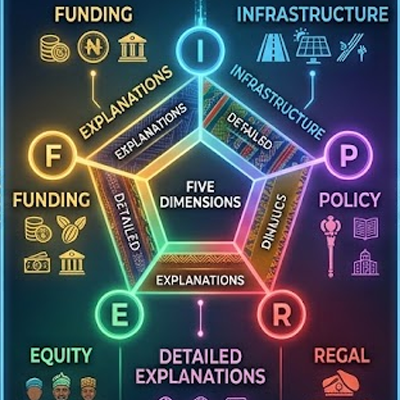
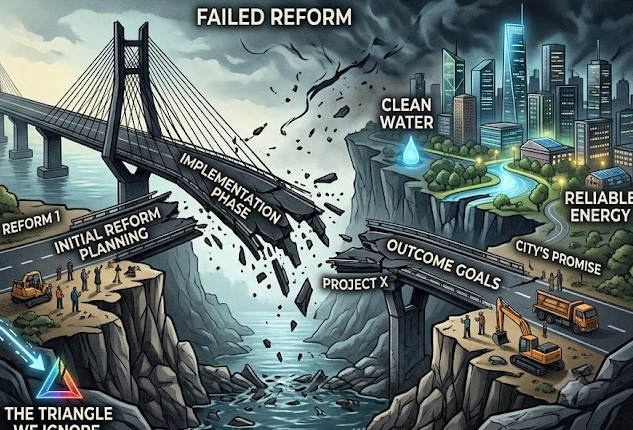
Good ideas die not for lack of courage, but for lack of wiring. Across governments, well-intentioned reforms stall, fade, or collapse—not because of bad ministers or the wrong party, but because we treat change as a straight line when it behaves like a triangle. This piece introduces the Triangular Framework for Meaningful and Lasting Public Change, arguing that durable reform emerges only when Leaders, Institutions, and the Public are aligned and mutually reinforcing. Drawing on case studies from Porto Alegre to the UK's student finance crisis, it reveals why reforms fail when one pillar dominates, and offers a practical lens for designing change that survives the messy reality of public life.
Jul 21, 2026 · 9 mins read

Global Sustainability Trend & Data
The modern sustainability conversation is often buried under corporate jargon and abstract carbon credits. But to truly solve the crisis, we must stop treating ourselves as the authors of this system and remember that we are merely its guests. This article shifts the lens from economic management to biological reality. By placing the planet—its physical boundaries and self-regulating systems—at the center of the model, we realize that sustainability isn't about rescuing a helpless Earth; it is about aligning human civilization with the non-negotiable rules of survival.
Jul 21, 2026 · 7 mins read
Climate Policy
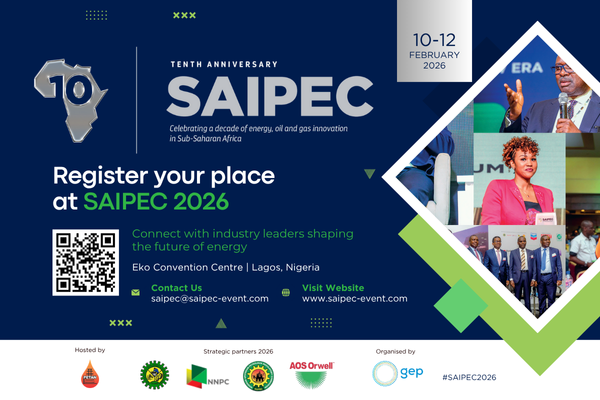
The 10th anniversary of the Sub-Saharan Africa International Petroleum Exhibition and Conference (SAIPEC 2026) convened energy leaders in Lagos to redefine Africa’s hydrocarbon and transition strategy. With gas positioned as a cornerstone for industrialization and export growth, discussions centered on innovative financing models, blended capital structures, and enabling policy frameworks. The summit also advanced intra-African energy trade through AfCFTA collaboration, strengthened local content participation, and explored the integration of renewable technologies alongside conventional energy systems. SAIPEC 2026 underscored Africa’s ambition to balance energy security with a pragmatic transition pathway.
Feb 13, 2026 · 2 mins read
Climate Change
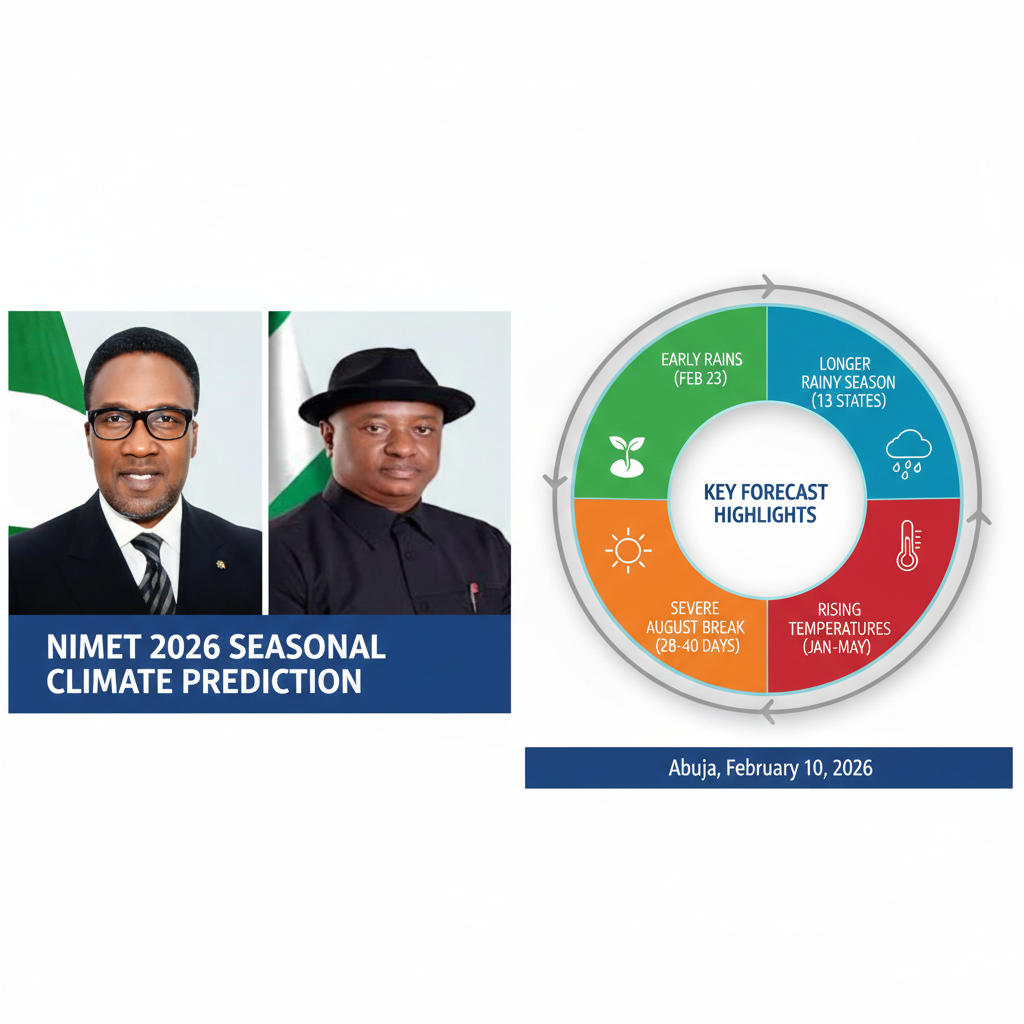
Nigeria’s 2026 Seasonal Climate Prediction (SCP), unveiled by the Nigerian Meteorological Agency (NiMet) in Abuja, signals a year of weather volatility. Early rainfall is expected in southern states like Bayelsa and Lagos, while 13 states brace for extended rainy seasons. Meanwhile, parts of northern Nigeria face shorter wet periods, prolonged dry spells, and rising heatwave risks. With a severe August Break forecast for the Southwest and elevated temperature projections nationwide, the report urges farmers, policymakers, and emergency planners to prepare for climate variability and extreme weather events.
Feb 13, 2026 · 2 mins read

Circular Economy
The global economy consumes over 100 billion tons of raw materials annually—driving growth while pushing planetary boundaries to their limits. The 15 R’s of circularity offer a practical roadmap for transforming the traditional take-make-waste model into a regenerative system. From Refuse and Redesign to Remanufacture and Regenerate, each strategy helps businesses and communities reduce waste, conserve resources, and build sustainable production systems. This guide explores the 15 R’s with real-world examples, demonstrating how circular economy principles can shift industries from linear consumption to restorative growth.
Feb 13, 2026 · 11 mins read
Renewable Energy
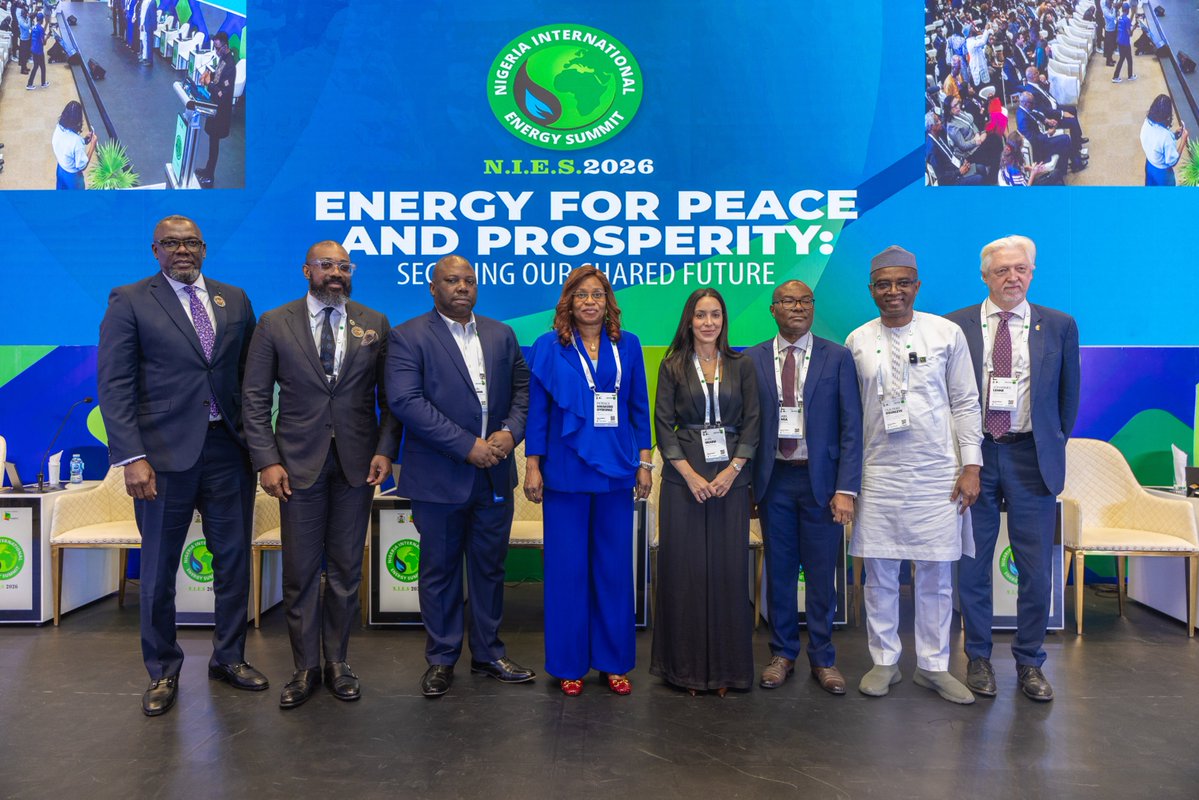
The 9th Nigeria International Energy Summit (NIES 2026) concluded in Abuja as Africa’s leading forum for energy diplomacy and transition planning. Under the theme “Energy for Peace and Prosperity: Securing Our Shared Future,” leaders and investors from 38 countries examined Nigeria’s reform-driven energy outlook, the role of gas as a transition fuel, and regional infrastructure initiatives such as the Nigeria–Morocco Gas Pipeline. With renewed focus on industrialization, domestic energy security, and long-term investment, NIES 2026 reinforced Nigeria’s ambition to anchor Africa’s evolving energy future.
Feb 11, 2026 · 2 mins read
Climate Policy
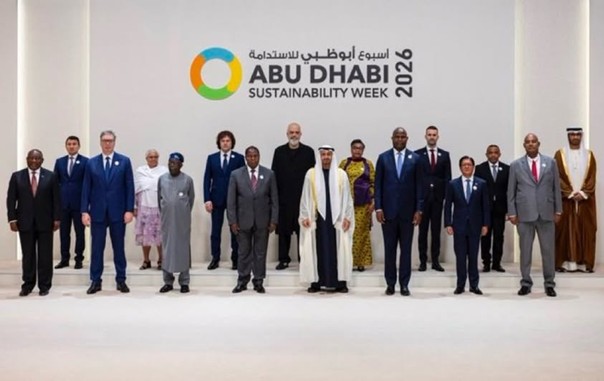
Abu Dhabi Sustainability Week 2026 concluded as one of the most influential global sustainability gatherings to date, drawing 60,000 participants from 175 countries under the theme “The Nexus of Next: All Systems Go.” Hosted by Masdar, the summit spotlighted the convergence of energy and artificial intelligence, celebrated Masdar’s 65GW renewable energy milestone, and launched new forums focused on water security and Global South infrastructure investment. From high-level diplomacy to breakthrough innovation, ADSW 2026 reinforced the UAE’s growing role in shaping the future of clean energy and sustainable development.
Feb 11, 2026 · 2 mins read
Climate Policy
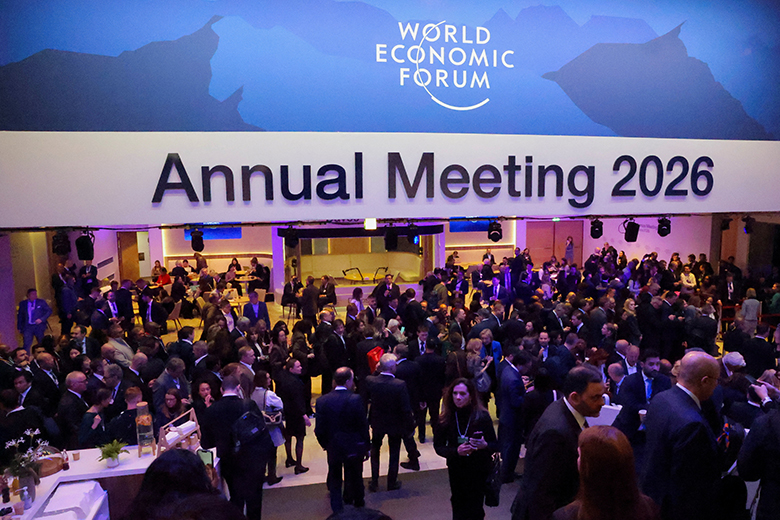
The World Economic Forum’s 56th Annual Meeting in Davos concluded as a defining moment in global diplomacy. Under the theme “A Spirit of Dialogue,” leaders confronted an emerging age of geo-economic competition, accelerating AI disruption, and mounting public debt risks. From U.S.–NATO Arctic security negotiations and Ukraine’s trilateral peace talks to IMF projections on AI-driven growth and debates over AI governance, Davos 2026 signaled a structural shift in global economic and political dynamics. While consensus remained elusive, the summit reshaped conversations around technology, trade, and geopolitical stability in a rapidly fragmenting world.
Feb 11, 2026 · 2 mins read

Renewable Energy
For decades, sustainability was framed in the future tense—2030 targets, 2050 benchmarks, and promises of a better world for the next generation. But escalating heatwaves, rising sea levels, and supply chain disruptions have erased the luxury of delay. At Sustainability Times Magazine, we believe the era of passive observation and greenwashed pledges is over. Limiting global warming to 1.5°C demands immediate, systemic change across industry, policy, and consumer behavior. The cost of transition may be significant, but the cost of inaction is catastrophic. The clock is no longer ticking—it is sounding the alarm. The action time is now.
Feb 11, 2026 · 3 mins read